

Essential Camper Conversion Tips for Your Next Adventure
Transforming a regular vehicle into a cozy, functional camper is an exciting journey! Whether you're a DIY adventurer or a budget-conscious traveler, camper conversions open up a world of freedom and exploration. But where do you start? What should you prioritize? Don’t worry - this guide is packed with essential camper conversion tips to help you create your dream mobile home with confidence and flair!
Getting Started: Planning Your Camper Conversion
Before you grab your tools and start tearing apart your van or truck, it’s crucial to plan carefully. A well-thought-out plan saves time, money, and headaches down the road.
Define your needs: How many people will be traveling? Do you need a kitchen, bathroom, or workspace? Will you be off-grid or mostly in campgrounds?
Measure your vehicle: Knowing the exact dimensions helps you design a layout that maximizes space.
Set a budget: Camper conversions can get pricey fast. Decide what you can realistically spend and stick to it.
Research materials and tools: Lightweight, durable materials like plywood, aluminum, and foam insulation are popular choices.
Sketch your layout: Use graph paper or digital tools to visualize your design. Include storage, sleeping areas, and utilities.
Planning is the foundation of a successful camper conversion. It’s like drawing a treasure map for your adventure!
Top Camper Conversion Tips to Maximize Comfort and Functionality
Now that the groundwork is laid, let’s dive into some practical camper conversion tips that will make your mobile home both comfy and efficient.
Optimize Space with Multi-Functional Furniture
Space is limited, so every inch counts! Consider furniture that serves multiple purposes:
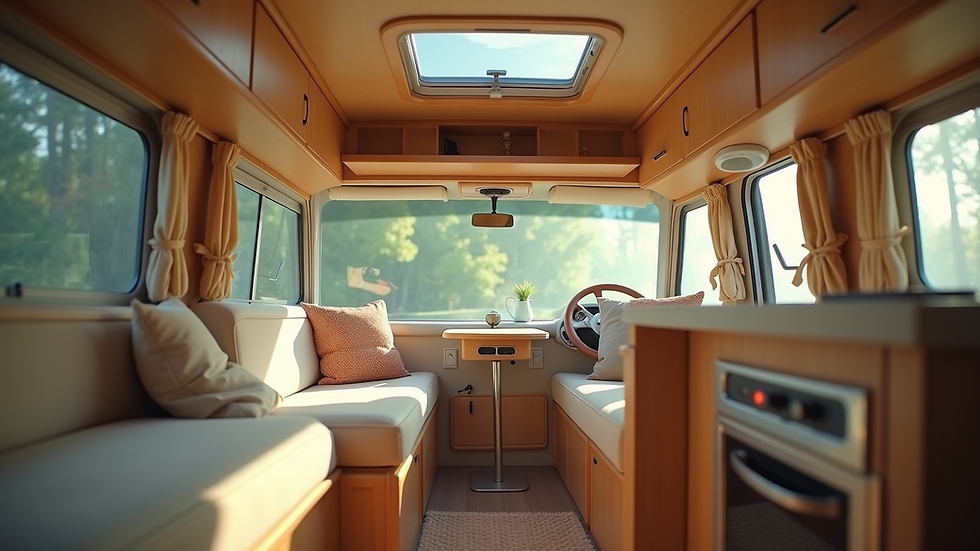
Fold-out beds: Save space during the day by folding your bed into a sofa or bench.
Storage under seats: Use the space beneath benches or beds for storing gear.
Collapsible tables: Perfect for dining or working, then tuck away when not in use.
Prioritize Insulation and Ventilation
Comfort depends heavily on temperature control. Insulation keeps you warm in cold weather and cool in the heat.
Use foam board or spray foam insulation on walls, floors, and ceilings.
Install roof vents or small windows that open to improve airflow.
Consider reflective window covers to block sunlight during hot days.
Efficient Power Solutions
Power is the lifeblood of your camper. Think about how you’ll charge devices, run lights, or power a small fridge.
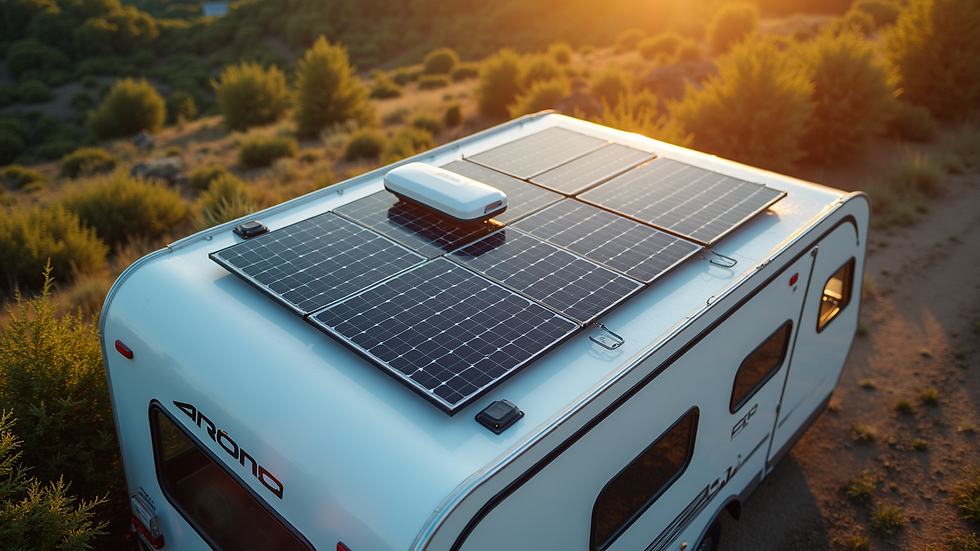
Solar panels are a popular eco-friendly option.
Use deep-cycle batteries for longer-lasting power.
Install LED lights to reduce energy consumption.
Water and Plumbing Basics
Even a simple water system can make life on the road easier.
Include a freshwater tank and a greywater tank for sinks or showers.
Use a foot pump or electric pump for water flow.
Plan for easy refilling and draining.
Safety First
Don’t overlook safety in your conversion.
Install smoke and carbon monoxide detectors.
Keep a fire extinguisher handy.
Secure heavy items to prevent movement while driving.

Tools and Materials: What You Really Need
Choosing the right tools and materials can make or break your camper conversion project. Here’s a quick rundown of essentials:
Tools: Cordless drill, jigsaw, measuring tape, screwdrivers, clamps, and a level.
Materials: Plywood (for walls and furniture), insulation foam, screws, sealants, and weatherproof paint.
Electrical: Wire, connectors, fuse box, solar panels, batteries, and LED lights.
Plumbing: Water tanks, hoses, pumps, and fittings.
Investing in quality materials upfront saves you from costly repairs later. Plus, durable materials mean your camper will last for many adventures to come!
Eco-Friendly Camper Conversion Tips
Going green on the road is easier than you think. Here are some eco-friendly tips to keep your camper conversion sustainable:
Use recycled or reclaimed wood for furniture.
Choose non-toxic paints and sealants.
Install solar panels to reduce reliance on fossil fuels.
Opt for LED lighting to save energy.
Use composting toilets or portable waste solutions.
Not only do these choices help the planet, but they also often reduce your overall costs and maintenance needs.
Bringing It All Together: Inspiration from RiverLeaf Camper Con
If you’re looking for a trusted partner to guide your camper conversion journey, check out riverleaf camper con. They specialize in premium DIY conversion kits designed to empower adventurers across the USA. Their kits come with everything you need to transform your everyday vehicle into a comfortable, affordable, and eco-friendly mobile home.
With expert support and quality materials, you’ll be hitting the road in style and comfort in no time!
Ready to Hit the Road?
Camper conversions are a fantastic way to embrace freedom, explore new places, and live life on your own terms. With these essential camper conversion tips, you’re well on your way to creating a cozy, functional, and eco-friendly home on wheels.
Remember, the key is to plan carefully, prioritize comfort and safety, and have fun with the process. Your dream camper is just a few steps away - so grab your tools, get creative, and start building your next great adventure!

Comments