

Discover Essential Camper Conversion Tips: Your Guide to Camper Conversion Basics
Transforming a regular vehicle into a cozy, functional camper is an adventure in itself! Whether you're dreaming of weekend getaways or full-time road trips, camper conversion basics are the foundation of your journey. Ready to dive into the world of DIY camper conversions? Let’s explore the essential tips that will make your project smooth, fun, and totally rewarding!
Understanding Camper Conversion Basics: Where to Start?
Starting a camper conversion can feel overwhelming, but breaking it down into manageable steps makes all the difference. First, know your vehicle inside and out. What kind of space do you have? What are the dimensions? This knowledge helps you plan your layout effectively.
Next, think about your needs and priorities. Are you after a comfy bed, a compact kitchen, or extra storage? Maybe all three! Prioritize what matters most to you and your travel style.
Here are some quick tips to get started:
Measure everything: Length, width, height - every inch counts.
Sketch your layout: Use graph paper or digital tools to visualize your space.
Plan for utilities: Water, electricity, ventilation - these are game changers.
Set a budget: DIY conversions can be affordable, but costs add up fast.
Remember, the goal is to create a space that feels like home on wheels. And guess what? You don’t have to do it alone. There are fantastic resources and kits out there, like the riverleaf camper con, designed to help you every step of the way.
Essential Materials and Tools for Your Camper Conversion
Choosing the right materials and tools is crucial. You want something durable, lightweight, and easy to work with. Here’s a quick rundown of essentials:
Plywood: Great for building beds, cabinets, and walls. Opt for lightweight plywood to keep your vehicle nimble.
Insulation: Don’t skip this! Proper insulation keeps you warm in winter and cool in summer. Foam board or spray foam are popular choices.
Fasteners and adhesives: Screws, bolts, and strong adhesives will keep everything secure.
Power tools: A drill, jigsaw, and screwdriver are your best friends.
Electrical components: If you’re adding lights or charging ports, invest in quality wiring and connectors.
Pro tip: Always wear safety gear! Gloves, goggles, and masks protect you from dust and sharp edges.
Designing Your Layout: Maximize Space and Comfort
Space is limited, so smart design is key. Think vertical! Use walls for storage and foldable furniture to save room. Here are some ideas to spark your creativity:
Convertible bed/sofa combos: Sleep by night, lounge by day.
Under-bed storage: Utilize every nook for gear and supplies.
Fold-down tables: Perfect for meals or work, then tuck away.
Multi-purpose furniture: Ottomans with storage, benches that double as drawers.
Don’t forget ventilation! Windows or roof vents keep fresh air flowing and prevent condensation.
Electrical and Plumbing Tips for DIY Camper Conversions
Adding electricity and plumbing can seem intimidating, but with the right approach, it’s totally doable. Start small and build up as you gain confidence.
Electrical basics:
Use a deep-cycle battery for reliable power.
Install LED lights to save energy.
Consider solar panels for off-grid adventures.
Plan your wiring carefully to avoid shorts or overloads.
Plumbing essentials:
A simple water tank and pump system can provide running water.
Use a portable camping toilet or install a composting toilet.
Plan drainage to avoid leaks and odors.
Safety first! If you’re unsure about wiring or plumbing, consult a professional or trusted guide.
Finishing Touches: Making Your Camper Feel Like Home
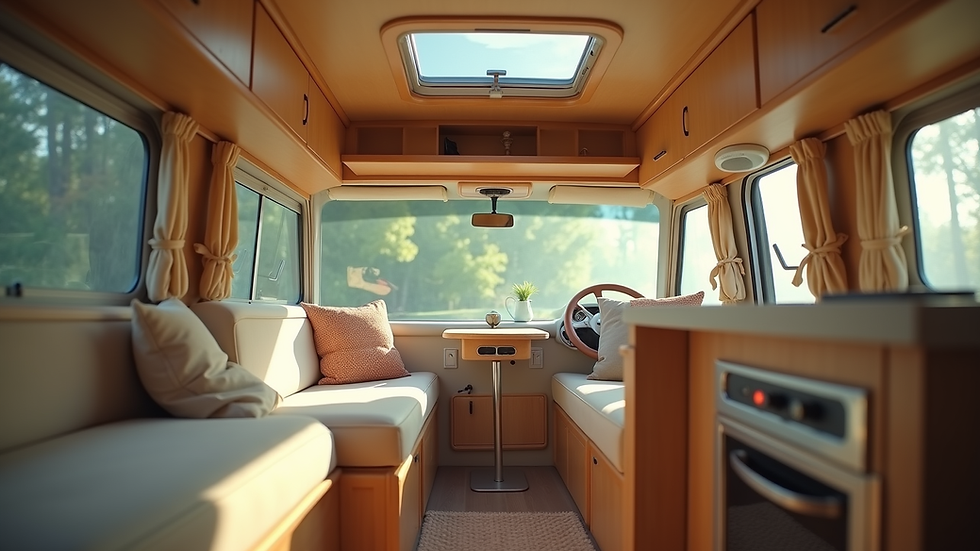
Now for the fun part - personalization! Add cushions, curtains, and rugs to create a cozy vibe. Use removable decorations if you want to switch things up on the road.
Here are some finishing touches to consider:
Lighting: Warm LED strips or fairy lights add ambiance.
Storage solutions: Baskets, hooks, and magnetic strips keep things tidy.
Eco-friendly products: Reusable dishes, solar chargers, and biodegradable soaps reduce your footprint.
Safety gear: Fire extinguisher, first aid kit, and carbon monoxide detector are must-haves.
Every detail counts when turning your camper into a comfy, inviting space.
Ready to Hit the Road?
With these essential camper conversion tips, you’re well on your way to creating a mobile home that suits your style and budget. Remember, the journey is just as exciting as the destination. Embrace the challenges, celebrate the wins, and enjoy every mile in your custom camper.
If you want a helping hand, check out the riverleaf camper con for premium DIY conversion kits that make the process easier and more enjoyable. Happy converting and happy travels!


Comments