

Smart Tips for Eco-Friendly Camper Conversion Tips
Transforming a vehicle into a cozy camper is an exciting adventure! But why not make it eco-friendly too? With a few smart choices, you can create a mobile home that’s not only comfortable and budget-friendly but also kind to the planet. Ready to dive into some clever camper conversion tips that will have you hitting the road with a green conscience? Let’s get started!
Why Choose Eco-Friendly Camper Conversion Tips?
Going green with your camper conversion isn’t just a trend—it’s a lifestyle choice that benefits you and the environment. Imagine waking up surrounded by nature, knowing your camper leaves a minimal footprint. Sounds amazing, right? Eco-friendly conversions help reduce waste, save energy, and often save money in the long run. Plus, they make your camper feel like a true sanctuary, blending seamlessly with the great outdoors.
Here’s why eco-friendly camper conversion tips are worth considering:
Lower energy consumption: Solar panels and energy-efficient appliances reduce reliance on fossil fuels.
Sustainable materials: Using recycled or renewable materials cuts down on waste.
Better air quality: Natural insulation and non-toxic paints keep your camper fresh and healthy.
Cost savings: Energy efficiency means fewer expenses on power and maintenance.
So, how do you get started? Let’s explore some practical, smart tips that will turn your camper into an eco-friendly haven.
Top Camper Conversion Tips for an Eco-Friendly Build
Ready to roll up your sleeves? These camper conversion tips focus on sustainability without sacrificing comfort or style. Whether you’re a DIY adventurer or a budget-conscious traveler, these ideas will help you build a camper that’s both functional and green.
1. Choose Sustainable Materials
Start with the basics—your camper’s structure and interior. Opt for materials that are renewable, recycled, or have a low environmental impact.
Bamboo flooring: Durable, lightweight, and fast-growing, bamboo is a fantastic alternative to traditional hardwood.
Reclaimed wood: Adds character and reduces demand for new lumber.
Low-VOC paints and finishes: Keep the air inside your camper clean and free from harmful chemicals.
Natural insulation: Sheep’s wool, cork, or recycled denim provide excellent insulation without synthetic chemicals.
2. Install Solar Power Systems
Solar panels are a game-changer for eco-friendly campers. They provide clean, renewable energy to power your lights, appliances, and gadgets.
Flexible solar panels: Lightweight and easy to install on curved surfaces.
Portable solar kits: Great for those who want to keep their options open.
Battery storage: Invest in lithium-ion batteries for efficient energy storage and longer lifespan.
3. Use Energy-Efficient Appliances and Lighting
Every watt counts when you’re off-grid. Choose appliances and lighting that consume less power but deliver great performance.
LED lights: Use up to 80% less energy than traditional bulbs.
12V refrigerators: Designed for camper use, they’re more efficient than regular fridges.
Induction cooktops: Heat quickly and waste less energy compared to gas or electric stoves.
4. Optimize Water Usage
Water is precious, especially when you’re on the road. Smart water management helps conserve this vital resource.
Low-flow faucets and showerheads: Reduce water consumption without sacrificing comfort.
Greywater systems: Reuse water from sinks and showers for flushing toilets or watering plants.
Rainwater collection: Set up a simple system to capture rainwater for non-potable uses.
5. Maximize Ventilation and Natural Light
Good airflow and natural light reduce the need for artificial cooling and lighting, saving energy and improving comfort.
Roof vents and windows: Install adjustable vents to promote cross-ventilation.
Skylights: Bring in daylight and make your camper feel spacious.
Reflective window covers: Keep heat out during hot days and retain warmth when it’s cold.
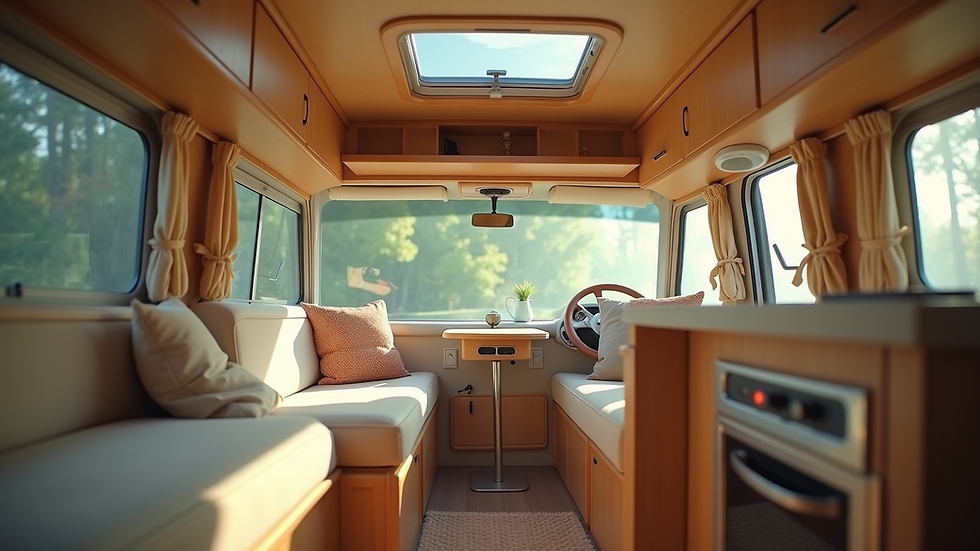
Clever Storage and Space-Saving Ideas for Eco-Friendly Campers
Space is limited in any camper, so smart storage solutions are essential. But did you know that clever storage can also contribute to sustainability? Here’s how to keep your camper organized and eco-friendly:
Use multi-functional furniture: Beds that convert into sofas or tables with built-in storage reduce the need for extra pieces.
Repurpose containers: Old jars, crates, and boxes can be transformed into storage bins.
Install hooks and nets: Vertical storage keeps floors clear and maximizes space.
Choose lightweight materials: Reducing weight improves fuel efficiency and makes your camper easier to handle.
The Role of DIY Kits in Eco-Friendly Camper Conversions
If you’re looking for a hassle-free way to build your eco-friendly camper, DIY conversion kits are a fantastic option. They come with pre-cut materials, detailed instructions, and often include sustainable components. For example, the riverleaf camper con offers premium DIY kits designed to empower adventurers across the USA to create affordable, comfortable, and eco-friendly mobile homes.
Why consider a DIY kit?
Saves time and reduces waste: Kits are designed to minimize offcuts and excess materials.
Eco-conscious design: Many kits prioritize sustainable materials and energy-efficient layouts.
Support and community: Access to expert advice and fellow DIYers makes the process smoother and more enjoyable.

Final Thoughts on Building Your Eco-Friendly Camper
Building an eco-friendly camper is a rewarding project that combines creativity, sustainability, and adventure. By choosing the right materials, investing in renewable energy, and optimizing your space, you’ll create a mobile home that’s kind to the planet and perfect for your travels.
Remember, every small step counts. Whether it’s switching to LED lights or installing a solar panel, your efforts add up to a greener, cleaner way to explore the world. So, grab your tools, get inspired by these camper conversion tips, and start your journey toward an eco-friendly camper today!


Comments