

Essential Camper Conversion Tips for Your Next Adventure
Transforming a regular vehicle into a cozy, functional camper is an exciting journey! Whether you're dreaming of weekend getaways or full-time van life, a camper conversion can open up a world of freedom and adventure. But where do you start? What should you prioritize? Don’t worry - this guide is packed with essential camper conversion tips to help you build your dream mobile home without breaking the bank or losing your mind.
Smart Camper Conversion Tips to Get You Rolling
First things first: planning is everything. Before you grab a hammer or drill, take a moment to envision your ideal camper setup. What kind of trips do you want to take? Will you be camping solo, with a partner, or the whole family? How much gear do you need to store? Answering these questions will shape your design and save you headaches later.
Here are some key camper conversion tips to keep in mind:
Start with a solid layout plan. Sketch your floor plan on paper or use free online tools. Think about where your bed, kitchen, storage, and seating will go. Remember, space is limited, so every inch counts!
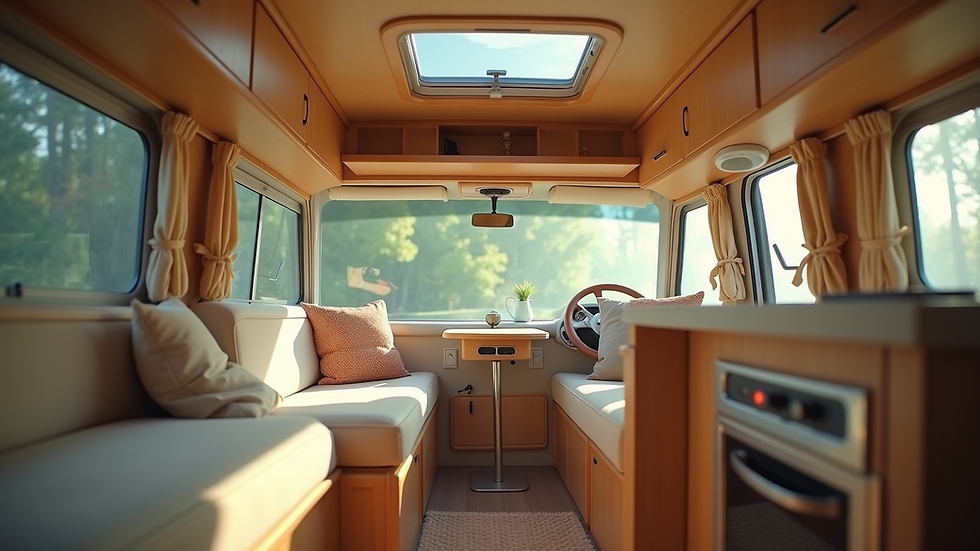
Prioritize multi-functional furniture. A bench that doubles as storage or a bed that folds into a sofa can maximize your space.
Insulation is a must. Proper insulation keeps you warm in chilly nights and cool during hot days. Don’t skimp on this!
Invest in quality ventilation. Roof vents or small windows that open will keep fresh air flowing and prevent condensation.
Choose lightweight materials. This helps with fuel efficiency and vehicle handling.
Plan your electrical system carefully. Think about your power needs for lighting, charging devices, and appliances. Solar panels are a popular eco-friendly option.
By focusing on these basics, you’ll create a camper that’s comfortable, practical, and ready for adventure.

Essential Camper Conversion Tips for Comfort and Functionality
Comfort is king when you’re living on the road. After all, your camper is your home away from home! Here are some tips to make your space cozy and functional:
Choose a comfortable mattress. Don’t settle for a thin foam pad. A good mattress can make all the difference in your sleep quality.
Use blackout curtains or window covers. These help with privacy and temperature control.
Install LED lighting. It’s energy-efficient and creates a warm ambiance.
Add plenty of storage solutions. Use under-bed drawers, overhead cabinets, and wall-mounted organizers to keep clutter at bay.
Incorporate a foldable table or desk. This gives you a workspace or dining area without taking up permanent space.
Think about water storage and plumbing. Even a simple sink with a water pump can boost your comfort level.
Remember, the goal is to create a space that feels inviting and easy to live in, no matter where the road takes you.
Choosing the Right Materials and Tools
Picking the right materials and tools can make or break your camper conversion project. Here’s what to consider:
Wood types: Lightweight plywood is a favorite for walls and furniture because it’s strong and easy to work with.
Flooring: Vinyl or laminate flooring is durable, easy to clean, and water-resistant.
Fasteners: Use screws instead of nails for better durability.
Sealants and adhesives: Make sure they’re waterproof and suitable for vehicle use.
Tools: A cordless drill, jigsaw, measuring tape, and level are essentials. Don’t forget safety gear like gloves and goggles!
If you’re new to DIY, consider investing in a conversion kit like those from riverleaf camper con. These kits come with pre-cut materials and detailed instructions, making the process smoother and more enjoyable.

Powering Your Camper: Electrical Essentials
Electricity is a game-changer for camper life. It powers your lights, fridge, charging stations, and more. Here’s how to get it right:
Calculate your power needs. List all devices and appliances you plan to use and their wattage.
Choose a battery system. Deep cycle batteries are common for campers because they handle repeated charging and discharging.
Consider solar panels. They’re eco-friendly and perfect for off-grid adventures.
Install an inverter. This converts DC battery power to AC power for household devices.
Plan wiring carefully. Use proper gauge wires and fuses to avoid electrical hazards.
Add USB ports and 12V outlets. These are handy for charging phones and running small gadgets.
A well-planned electrical system keeps your camper comfortable and connected, no matter where you park.
Maximizing Space with Clever Storage Ideas
Space is precious in a camper, so smart storage solutions are a must. Here are some ideas to keep your gear organized and accessible:
Use vertical space. Wall-mounted shelves and hanging organizers free up floor space.
Under-bed storage. Drawers or bins under your bed can hold clothes, tools, or camping gear.
Magnetic strips and hooks. Great for kitchen utensils, keys, or small tools.
Foldable or collapsible items. Think collapsible bowls, foldable chairs, and nesting cookware.
Overhead cabinets. Perfect for lightweight items like clothes or bedding.
Hidden compartments. Build storage into stairs or benches for a clean look.
With these tips, you’ll keep your camper tidy and make the most of every nook and cranny.
Ready to Hit the Road?
Building your own camper is a rewarding adventure that combines creativity, practicality, and a love for the open road. With these essential camper conversion tips, you’re well on your way to creating a cozy, functional, and personalized mobile home. Remember, every project has its challenges, but with patience and enthusiasm, you’ll enjoy the journey as much as the destination.
If you want to simplify your build, check out the riverleaf camper con kits that provide everything you need to get started quickly and confidently. Happy converting and safe travels!

Comments