

Mastering Camper Conversion Tips for Outdoor Adventures
Transforming a regular vehicle into a cozy, functional camper is an exciting journey! Whether you're dreaming of weekend getaways or epic cross-country trips, mastering camper conversion tips can turn your adventure dreams into reality. Ready to dive into the world of DIY camper conversions? Let’s explore how to create your perfect mobile home on wheels, step by step!
Why Camper Conversion Tips Matter
Thinking about converting your vehicle into a camper? It’s not just about slapping a mattress in the back and hitting the road. A well-planned conversion maximizes space, comfort, and functionality. Plus, it saves you money compared to buying a pre-built campervan. But where do you start?
Here’s the deal: knowing the right camper conversion tips can make or break your project. From choosing materials to designing layouts, every decision counts. For example, selecting lightweight materials helps keep fuel costs down, while smart storage solutions keep your gear organized and accessible.
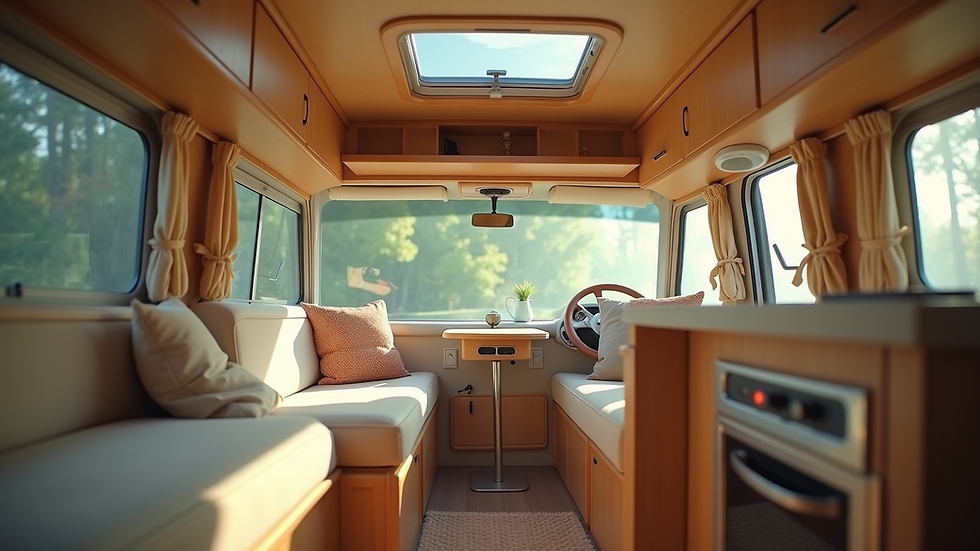
Imagine waking up in your own cozy camper, surrounded by nature, with everything you need right at your fingertips. Sounds amazing, right? That’s the power of a well-executed camper conversion!

Essential Camper Conversion Tips for Beginners
Starting your camper conversion can feel overwhelming, but breaking it down into manageable steps makes it fun and rewarding. Here are some essential tips to get you going:
Plan Your Layout Carefully
Think about how you’ll use the space. Do you need a kitchen? A sleeping area? Storage for outdoor gear? Sketch your ideas on paper or use design apps to visualize your camper’s interior.
Choose Lightweight, Durable Materials
Weight affects fuel efficiency and vehicle handling. Opt for plywood, aluminum, or composite panels. Avoid heavy metals or dense woods that add unnecessary bulk.
Insulate for Comfort
Proper insulation keeps your camper warm in winter and cool in summer. Use foam boards, reflective barriers, or spray foam insulation. Don’t forget to seal windows and doors to prevent drafts.
Install Efficient Lighting
LED lights are energy-efficient and long-lasting. Consider battery-powered or solar-powered options to keep your camper eco-friendly and off-grid ready.
Maximize Storage
Use vertical space with shelves and hanging organizers. Multi-purpose furniture like beds with storage underneath can save tons of room.
Ventilation is Key
Install roof vents or small windows that open to keep fresh air flowing and reduce condensation.
Safety First
Secure all furniture and appliances to prevent movement while driving. Install smoke and carbon monoxide detectors for peace of mind.
By following these camper conversion tips, you’ll create a space that’s not only functional but also a joy to live in during your outdoor adventures.
Tools and Materials You’ll Need
Before you start, gather the right tools and materials. Having everything on hand saves time and frustration. Here’s a handy checklist:
Basic Tools: Drill, screwdriver set, jigsaw, measuring tape, level, hammer
Materials: Plywood sheets, insulation foam boards, screws, brackets, sealant, paint or varnish
Electrical Supplies: LED lights, wiring, fuse box, battery (optional solar panel kit)
Plumbing (optional): Water tanks, pump, sink, hoses
Furniture Components: Hinges, drawer slides, cushions, fabric for upholstery
Remember, quality materials might cost a bit more upfront but pay off in durability and comfort. Plus, if you want to explore options, check out the riverleaf camper con for premium DIY conversion kits that simplify the process and provide eco-friendly solutions.

Smart Design Ideas to Maximize Space
Space is limited in any vehicle, so clever design is your best friend. Here are some smart ideas to make every inch count:
Foldable Furniture: Beds that fold into benches or tables that collapse save space during the day.
Hidden Storage: Use the space under seats or behind panels for storing gear.
Modular Components: Build furniture that can be rearranged or removed depending on your needs.
Vertical Gardens: Small hanging planters add greenery without taking up floor space.
Multipurpose Surfaces: A countertop that doubles as a dining table or workspace is a game-changer.
Don’t forget to keep pathways clear for easy movement. A cramped camper can quickly feel claustrophobic, so balance storage with open space.
Tips for Eco-Friendly Camper Conversions
Going green on your camper conversion is easier than you think! Here’s how to keep your adventure eco-friendly:
Solar Power: Install solar panels to power lights, fans, and small appliances without draining your vehicle’s battery.
Sustainable Materials: Use reclaimed wood or recycled materials for furniture and finishes.
Water Conservation: Install low-flow faucets and carry refillable water containers.
Composting Toilets: Consider composting or portable toilets to reduce waste impact.
Energy-Efficient Appliances: Choose 12V fridges and LED lighting to minimize power use.
These choices not only reduce your environmental footprint but also enhance your self-sufficiency on the road.
Final Thoughts on Mastering Camper Conversions
Ready to hit the road in your custom camper? With these camper conversion tips, you’re well on your way to creating a mobile home that fits your style, budget, and adventure needs. Remember, the journey is just as exciting as the destination. Take your time, enjoy the process, and don’t be afraid to get creative!
Whether you’re a weekend warrior or a full-time traveler, a DIY camper conversion opens up a world of possibilities. And if you want a little extra help, the riverleaf camper con offers fantastic kits designed to make your build easier and more eco-friendly.
So, what are you waiting for? Grab your tools, start planning, and get ready to explore the great outdoors in your very own camper creation! Happy adventuring!


Comments